
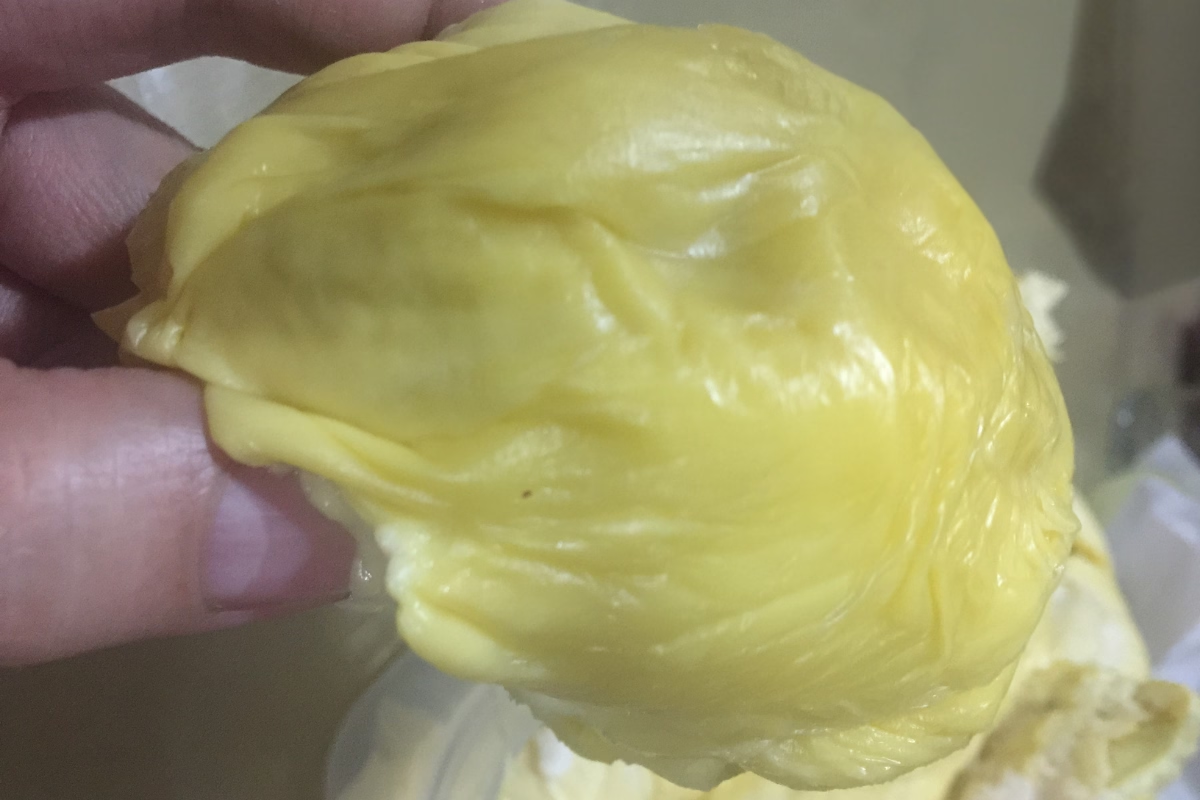
There are many ways to know you’ve arrived in Davao City. You might recognize the familiar roads, see the boundary signs, or notice some drivers slowing down because of the speed limit ordinance. But if you’re visiting during durian season, there’s another way to tell you’re getting close.
Sometimes, you smell it before you see it.
When roadside vendors begin displaying piles of durian, the unmistakable aroma can drift across the road and into passing vehicles. You may not have noticed the fruit stand a few seconds earlier, but suddenly, there’s no mistaking it. For some people, the smell is an invitation to stop and try one. For others, it’s a reason to roll up the windows.
For Davaoenos, it’s simply part of the season.
Durian is one of the fruits most closely associated with Davao, and when it is in season, it becomes part of the city’s everyday scenery. You’ll see it piled at roadside stalls, loaded into trucks, displayed at markets, and sold by vendors along busy roads.
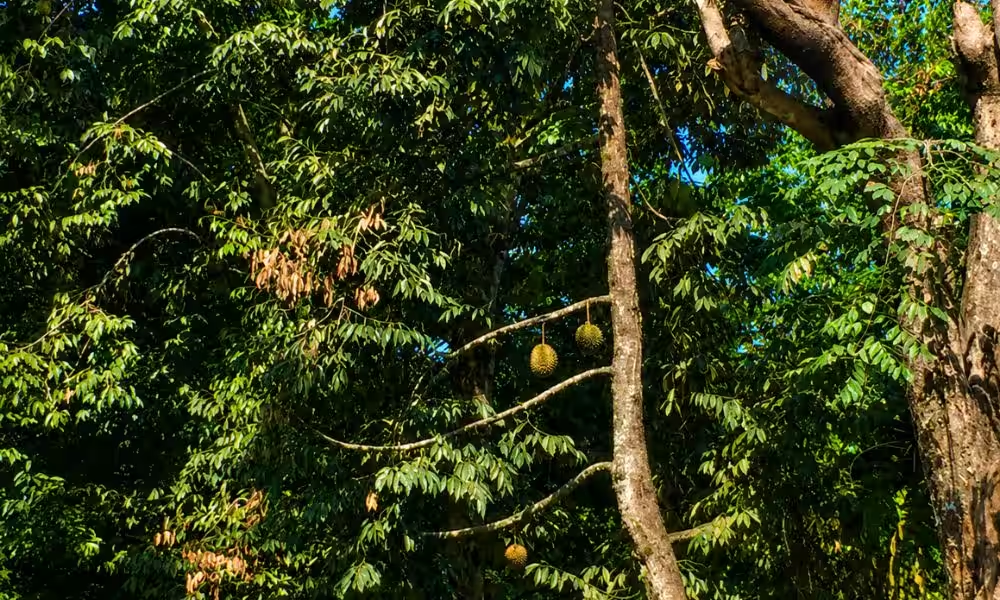
In some parts of southern Davao, you may even find durian trees growing along the roadside. During the season, locals sometimes set up simple chairs and tables near the trees, giving you the chance to sit down, enjoy freshly opened durian, and look at the very trees where the fruit was grown.
That, to me, is one of the things that makes experiencing durian in Davao different from simply buying it at a supermarket.
If you’re planning to visit Davao, especially around Kadayawan season, here’s what you should know before you take your first bite.
What Does Durian Actually Taste Like?
If you’ve never eaten durian before, you’ve probably already heard about its smell. The fruit has earned a worldwide reputation for its strong aroma, and people tend to have very strong opinions about it.
The taste, however, is a different experience altogether.
The flesh is soft, creamy, and custard-like, with a flavor that varies by variety and ripeness. Some durians are intensely sweet, while others have a more complex flavor with savory or slightly bitter notes. If you’ve never tried it, there’s really no perfect description that can prepare you for the experience. You simply have to taste it.
And if your first reaction is, “I don’t like this,” you’re certainly not alone. Durian is one of those foods that some people love immediately, while others need a few tries before they begin to appreciate it. There are also those who never develop a taste for fresh durian, and that’s perfectly fine.
Fortunately, experiencing Davao’s durian culture doesn’t necessarily mean you have to sit down and eat an entire fresh fruit.
There are plenty of other ways to try it.
But if you do decide to try fresh durian, the first thing you need to know is how to get inside.
How Do You Open a Durian?
A whole durian can look intimidating to someone who has never handled one before. It’s heavy, covered in spikes, and certainly doesn’t look like the kind of fruit you can casually slice open with a kitchen knife.
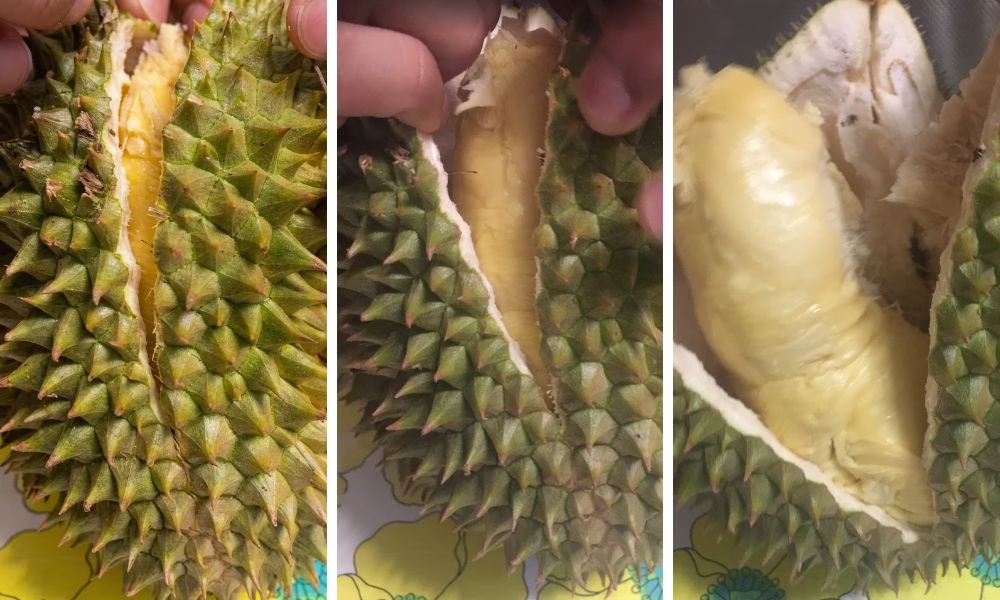
The good news is that the fruit has natural sections that allow it to be opened without simply hacking through the shell. Once you know where the seams are, you can carefully pry the sections apart and reveal the creamy flesh inside.
If you’re buying durian from a roadside vendor or fruit seller in Davao, you can also ask the vendor to open it for you. This is probably the easiest option for first-time visitors, especially if you’re not yet comfortable handling the spiky shell yourself.
Once it’s open, you’ll find the soft, creamy fruit tucked inside each section, usually surrounding a large seed.
And that’s when you get to decide how you’re going to enjoy it.
Fresh, With Coke, or Even With Coffee?
The simplest way to eat durian is also the most traditional: open the fruit, take out the creamy flesh, and eat it fresh.
For people who already love durian, nothing quite compares to eating it this way. You get the full flavor and texture of the fruit, exactly as it comes from the shell.
But there are other ways people enjoy it, too.
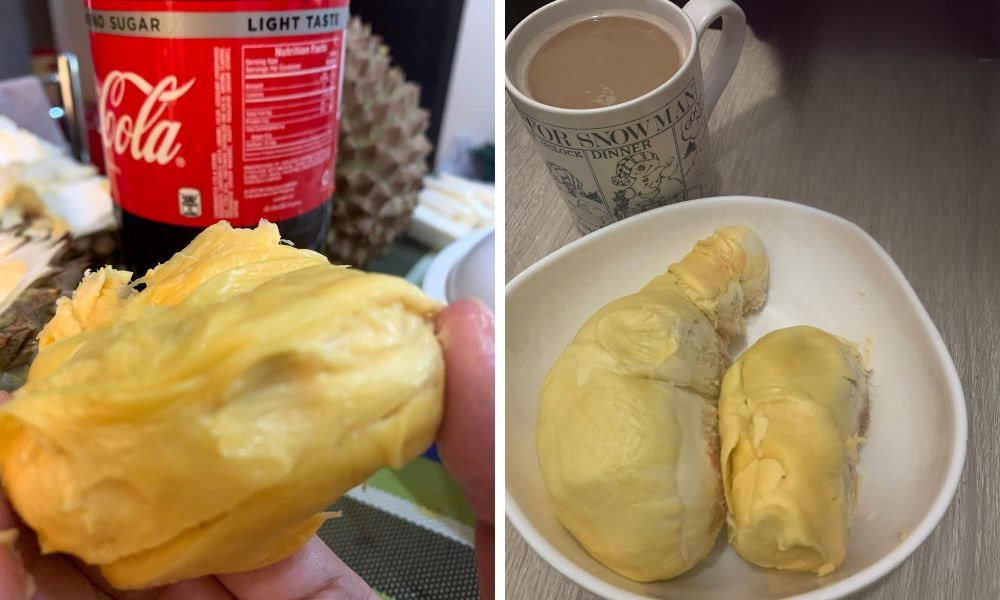
Some like having fresh durian with a cold drink such as Coke, while others enjoy coffee alongside it. The combination of rich, creamy durian and a refreshing or slightly bitter drink makes for an interesting experience, especially if you’re trying the fruit for the first time.
And then there are the many ways durian can be turned into something else entirely.
When Fresh Durian Isn’t Your Thing
Maybe the smell is too strong for you. Maybe the texture isn’t what you expected. Or perhaps you tried fresh durian once and decided that you weren’t ready to become a fan just yet.
Don’t give up on Davao’s durian experience.
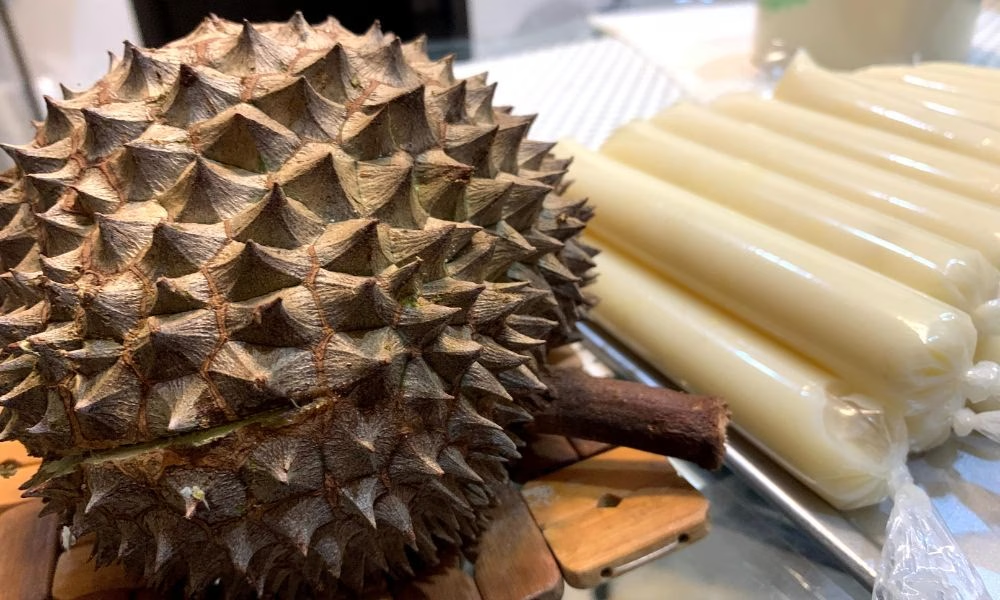
You may find durian in ice candy, milk, coffee, pie, candies, ice cream, and other treats, used in different ways. The flavor can become much more approachable when it is combined with other ingredients or turned into a dessert.
You might even discover that you don’t actually dislike durian.
You just prefer it in a pie.
For me, that’s one of the fun things about durian. You don’t have to enjoy it in only one way. There’s room to experiment until you find the version that suits you.
A Few Things You’ll Learn After Eating Fresh Durian
Durian has a way of making itself memorable, and not just because of its taste.
If you’ve eaten fresh durian, you may notice that the smell lingers on your hands. One local trick is to take the inside part of the durian shell, rub your fingers against it under running water, and then rinse your hands clean.
It’s a simple thing to remember, particularly if you’re enjoying durian at a roadside stall and still have places to go afterward.
The smell can also cling to your clothes, so people around you may know you’ve eaten durian before you’ve had a chance to tell them. In fact, if you’ve ever wondered whether someone recently had durian, sometimes you don’t need to ask. Your nose already knows.
Then there’s the occasional durian burp.
Let’s just say that if you have an important meeting later in the day, you might want to give yourself a little breathing room between the durian feast and the conference room. The fruit may be delicious, but it has a remarkable ability to make its presence known long after you’ve finished eating.
Consider that your friendly local warning.
Where to Experience Durian in Davao
One of the best things about experiencing durian in Davao is that you don’t necessarily need to visit a formal tourist attraction.
In some areas, particularly toward the southern parts of the city, durian trees grow along roadsides and in areas where agriculture is part of the landscape. During the season, you may come across vendors selling their harvest from simple roadside stalls, sometimes with nothing more than a few tables and chairs for customers.
You can sit down, have the fruit opened for you, and enjoy it while looking toward the trees where it was grown.
It’s a simple experience, but it gives you a glimpse of the connection between Davao’s food culture and its agricultural roots. You’re not just buying a fruit that happened to arrive at a market. You’re seeing where it grows, meeting the people who sell it, and experiencing a small part of the local landscape.
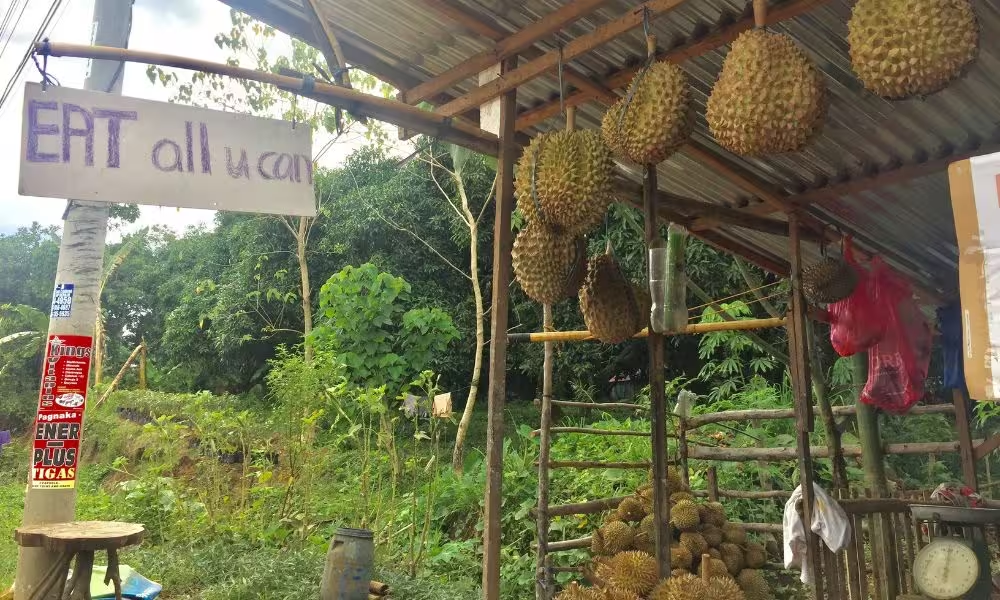
Years ago, I remember seeing roadside “Eat All You Can” durian offerings like the one in my photo. That particular experience was back in 2017, but it remains one of those memories that remind me how deeply durian is woven into the everyday life of Davao.
The experience may change over the years, but the fruit remains part of the landscape.
Bringing a Taste of Davao Home
If you fall in love with durian during your trip, you may naturally want to bring some home as pasalubong for your family and friends.
This is where a little planning helps.
Because of its strong smell, fresh durian may be restricted by certain hotels, airlines, and other enclosed spaces, although the specific rules vary. Before bringing fresh fruit into your hotel room, check the property’s policy.
Travelers who want to bring durian home often look for properly prepared frozen durian, sealed and packed in an insulated or styrofoam container. However, airline policies, agricultural quarantine requirements, and destination regulations can differ, so it’s important to check the rules that apply to your particular trip.
If you don’t want to deal with the logistics yourself, Good Fruit Solutions can help arrange durian for you, including products that are properly prepared and more suitable for bringing home or sharing with family and friends. This can be a convenient option if you want to enjoy a taste of Davao after your trip without having to handle the packaging and shipping yourself.
For more information or to inquire about available arrangements, visit Good Fruit Solutions.
From Truckloads on Davao Roads to the Rest of the World
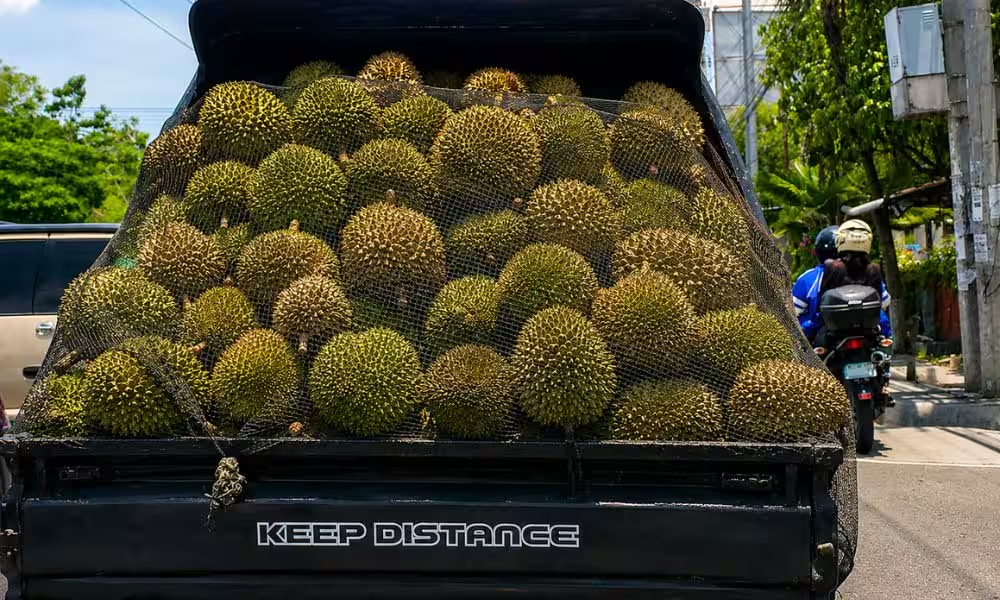
For many years, seeing trucks loaded with durian was simply part of everyday life in Davao. During the season, you could pass by a truck overflowing with the spiky fruit and barely give it a second thought because it was such a familiar sight.
I have photos of scenes like this, and looking at them now makes me think about how much the durian industry has changed.
Davao’s durian is increasingly reaching international markets, which is exciting news for an industry that supports farmers, traders, and others involved in the supply chain. A recent example is the trial shipment of Davao durian bound for Oman, reflecting the continuing effort to open new markets for Philippine durian. Davao’s agricultural officials have also been actively working with farmers and industry stakeholders on improving quality, production, and international competitiveness.
This growing international demand is a positive development in many ways. Better access to global markets can create opportunities for farmers to earn more from their harvest and can encourage investment in an industry that has long been important to the region.
But there is also a bittersweet side to the story for those of us here in Davao.
As more buyers from outside the country become interested in premium-quality durian, more of the fruit can be directed toward markets that offer better prices. That’s good news when it means farmers and others in the supply chain can benefit from the demand. At the same time, locals sometimes feel that durian is no longer as abundant as it once was, especially when premium-quality fruit is being prepared for buyers outside the country.
It’s a complicated reality.
There is pride in seeing something that has always been part of Davao become recognized around the world. At the same time, there’s a certain nostalgia for the days when truckloads of durian seemed to be everywhere, and the fruit felt like an ordinary, abundant part of local life.
Perhaps that’s the bittersweet part of seeing something you grew up with become something the rest of the world wants, too.
More Than Just a Fruit
Durian is one of the reasons Davao is such an interesting place to visit. It isn’t simply a fruit you can buy at a market and check off your travel list. It is connected to the region’s farms, livelihoods, food culture, and agricultural identity.
You can encounter it in many different ways. You might smell it before you see it, stop at a roadside stall, learn how to open one, or sit at a simple table and eat freshly opened fruit while looking toward the trees where it grew. You might discover that you love it fresh, or that you prefer it as ice candy, milk, coffee, or pie.
And then there’s Kadayawan, when Davao celebrates its rich cultural heritage and agricultural abundance. For many visitors, August can be a particularly memorable time to experience the city and the fruits that have become part of its identity.
But you don’t have to visit during the festival to appreciate what durian means to Davao.
Sometimes, all it takes is driving down a road, catching that unmistakable smell in the air, and realizing that you’ve arrived.
Go Beyond the Familiar
Travel often introduces us to things we might never encounter in our everyday routines. Sometimes it’s a new place or a different culture, and sometimes it’s something as simple as a fruit with a smell so unforgettable that you know you’ve entered a city before you’ve even seen the sign.
If you find yourself in Davao during durian season, don’t be afraid to try something unfamiliar. Stop at a roadside stall, ask the vendor to open a fruit for you, and take a bite. You might discover a new favorite, or decide that durian is best enjoyed as ice candy or pie. Either way, you’ll have an experience and a story to take home.
That’s one of the things we love about traveling. The best journeys aren’t always about checking places off a list. They’re about being curious enough to try something new, open enough to appreciate the unfamiliar, and willing to find joy in the little experiences along the way.
Here at A Joyful Life, that’s what we hope to share through Wander With Joy: stories that encourage you to explore with curiosity, embrace the unfamiliar, and find joy wherever the journey takes you.
Until our next adventure, keep wandering with joy.