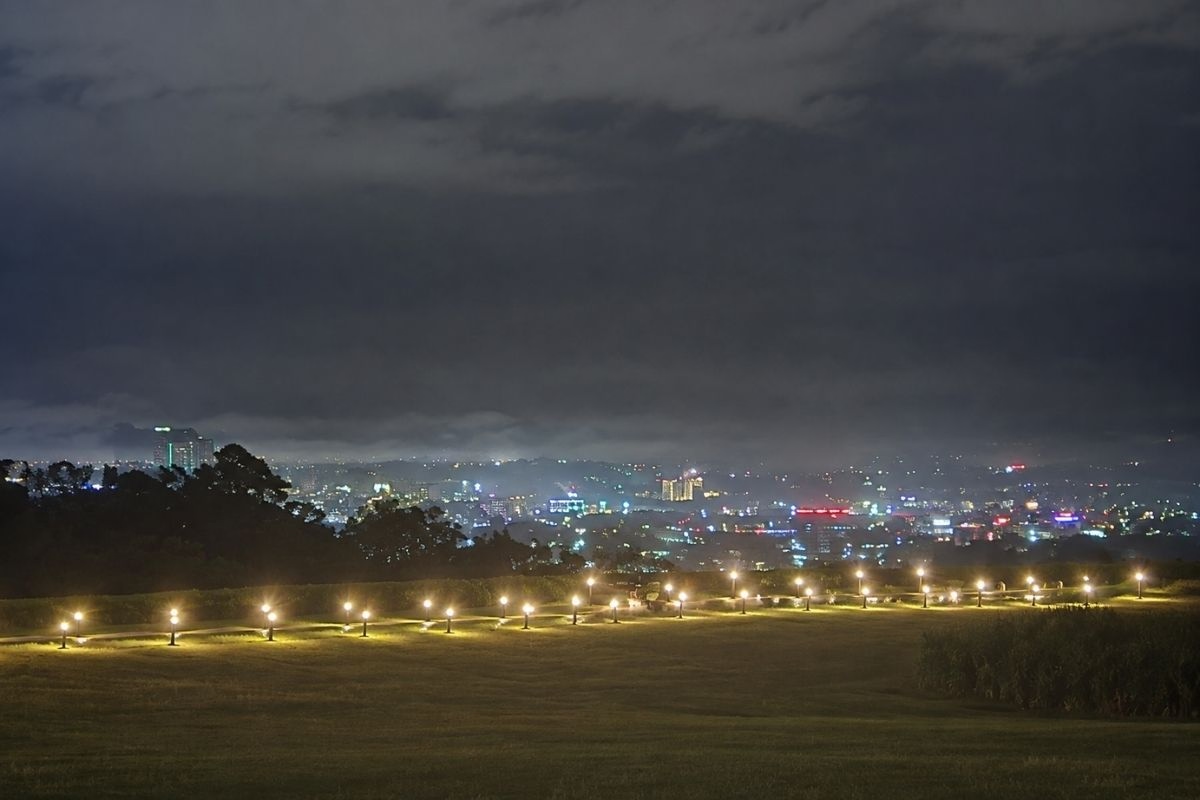

Modern family life often moves fast.
Between school schedules, work deadlines, errands, and digital distractions, days can pass quickly without families truly slowing down together. Many parents feel this tension: life is busy, yet meaningful moments sometimes feel rushed.
Travel is often seen as the solution, but not all travel restores the soul.
There is a growing movement called slow travel, and for families, it may be one of the most meaningful ways to reconnect, recharge, and rediscover what truly matters.
Slow travel isn’t about luxury resorts or packed itineraries. Instead, it focuses on presence, simplicity, and meaningful experiences, often in places close to nature.
For families, these nature escapes can become powerful moments of bonding and reflection.
What Is Slow Travel?
Slow travel is a mindset rather than a destination type.
Instead of rushing to visit many attractions in a short time, slow travel encourages families to experience a place deeply and intentionally.
Rather than checking items off a travel list, families focus on:
- spending unhurried time together
- appreciating local culture or nature
- resting from the pressures of daily life
- creating meaningful memories
In many cases, the most memorable experiences are surprisingly simple: watching a sunrise, walking along a quiet beach, or sharing meals without distractions.
Slow travel invites families to trade speed for connection.
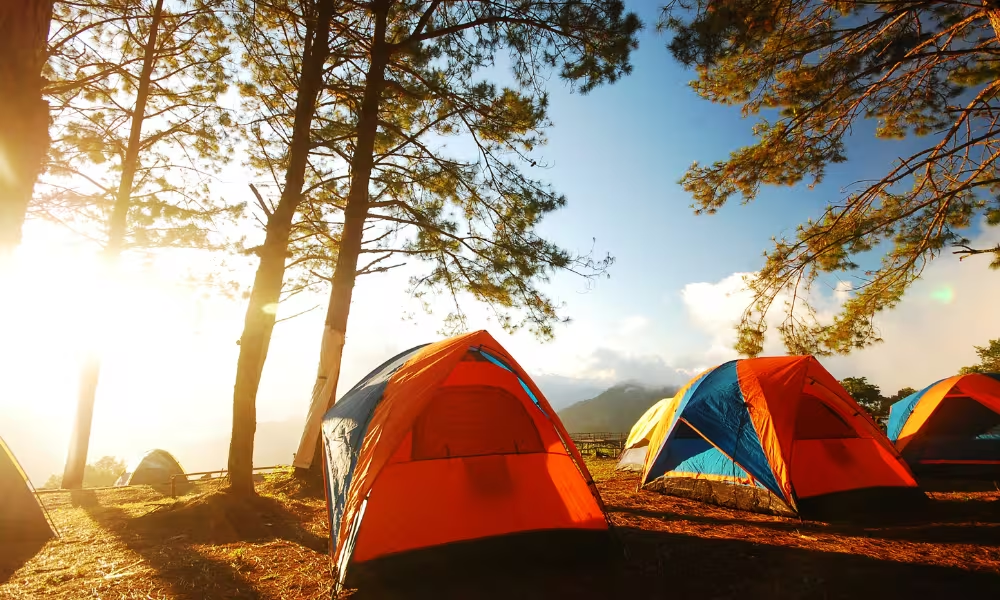
Why Modern Families Need Nature Escapes
Cities offer opportunity, convenience, and growth. Yet urban life also brings noise, traffic, and constant stimulation.
Many families today feel mentally and emotionally tired, even when everything seems to be going well.
This is where nature becomes a powerful reset.
Spending time in natural environments has been shown to reduce stress, improve focus, and strengthen emotional well-being. For children especially, outdoor experiences provide something screens cannot replicate: exploration, curiosity, and physical movement.
Even short trips to forests, beaches, or mountains can restore a sense of calm.
Families living in fast-growing cities like Davao City are fortunate to be surrounded by diverse natural landscapes, from mountain retreats to quiet coastal areas, making slow travel both accessible and rewarding.
Nature Encourages Real Family Connection
At home, families often compete with schedules and technology for attention.
Phones buzz, televisions run in the background, and responsibilities pull parents and children in different directions.
Nature changes the environment.
When families step away from the usual distractions, conversations become more natural. Children ask questions. Parents listen more attentively. Shared experiences, such as hiking a trail or swimming in a river, create memories that stay long after the trip ends.
Moments like these cannot be rushed.
They require time, presence, and space to breathe.
Slow travel provides exactly that.
Children Learn Differently in Nature
Nature is one of the most powerful classrooms a child can experience.
While schools provide structure and knowledge, the outdoors encourages curiosity and discovery.
Children climbing rocks, exploring forests, or observing wildlife are not just playing. They are learning about resilience, creativity, and problem-solving.
In natural environments, children also develop a sense of stewardship. When they see rivers, trees, and mountains up close, they begin to understand the importance of protecting the world around them.
These experiences shape how children view both nature and responsibility.
Family nature trips, even simple ones, often become foundational memories that influence how children grow.
Slow Travel Reduces Stress for Parents
Parents often carry a heavy mental load.
Work responsibilities, financial planning, household management, and raising children all require constant attention. Many parents push through this pressure without realizing how much they need rest.
Slow travel offers a healthier alternative to high-stress vacations.
Instead of racing between tourist attractions, parents can:
- wake up naturally
- enjoy meals slowly
- walk through peaceful environments
- spend quality time with their children
These moments help families regain balance.
The goal of slow travel is not productivity. It is restoration.
Nature Reminds Families What Truly Matters
When families step into nature, the pace of life shifts.
Mountains remain steady. Rivers flow without urgency. Sunsets unfold slowly and beautifully.
Nature quietly teaches patience and perspective.
Many parents notice that their priorities become clearer during these moments. Concerns that once felt overwhelming seem smaller when viewed against vast landscapes and open skies.
These experiences help families remember that joy often comes from simple things:
- time together
- shared laughter
- peaceful surroundings
Slow travel invites families to rediscover these truths.
Slow Travel Does Not Need to Be Expensive
One common misconception about travel is that it requires significant financial resources.
In reality, many of the best slow travel experiences are surprisingly affordable.
Natural destinations often cost far less than commercial tourist spots. Local parks, beaches, waterfalls, and mountains can offer rich experiences at low cost.
Families in Davao City and nearby provinces have access to remarkable natural beauty without traveling far.
Short trips, weekend getaways, or even day excursions can provide meaningful moments for families.
Slow travel emphasizes intentional experiences rather than expensive ones.
Building a Family Culture of Exploration
Families that prioritize nature escapes often build a lasting culture of exploration.
Children grow up expecting adventure and appreciating the outdoors. Parents develop habits that support both well-being and family unity.
This culture does not require elaborate planning.
Simple traditions can be enough:
- monthly nature walks
- occasional beach trips
- yearly mountain visits
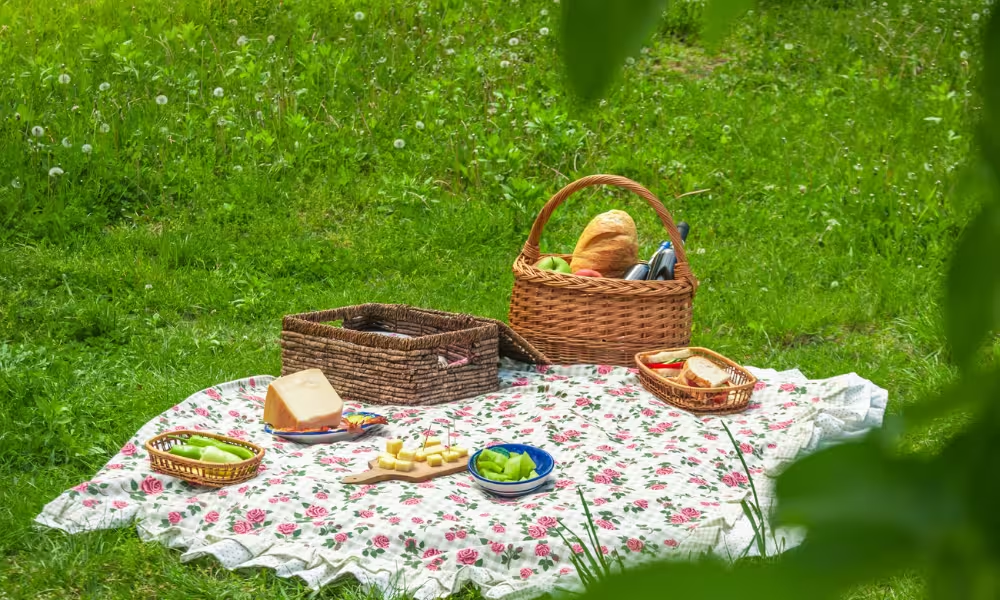
- weekend picnics in quiet parks
Over time, these traditions become part of a family’s identity.
The memories created through these experiences often become stories shared for many years.
Slow Travel as an Investment in Family Life
In many ways, slow travel is not just recreation. It is an investment.
Families invest in:
- emotional health
- strong relationships
- meaningful memories
- appreciation for nature
These benefits often last longer than material purchases or busy vacations.
As children grow older, they may forget certain gifts or toys, but they rarely forget meaningful family experiences.
A peaceful morning by the sea or an exciting hike through a forest often stays vivid in memory.
Slow travel creates these lasting moments.
Embracing a Slower, More Joyful Life
In a world that constantly encourages speed, choosing to slow down can feel unusual.
Yet many families are discovering that slowing down brings something powerful: clarity.
When families intentionally step away from busy routines and reconnect with nature, they rediscover joy in its simplest form. Quiet walks, shared meals outdoors, and unhurried conversations remind us that meaningful life is often found in ordinary moments.
This idea is at the heart of A Joyful Life: choosing to live intentionally even in the middle of a busy world.
For many families living in growing cities, balancing modern life with meaningful family time can be challenging. But with small choices, like spending more time in nature, protecting family rhythms, and slowing down when possible, it becomes easier to create a life centered on what truly matters.
If you’re navigating city life while building a peaceful and meaningful home, you may also enjoy our reflection on Building a Joyful Home in a Growing City, where we explore how families can stay grounded even as their surroundings grow and change.
Because sometimes, the most meaningful journeys are not the farthest ones. They are simply the ones that allow us to slow down, breathe deeply, and enjoy the people who matter most.